

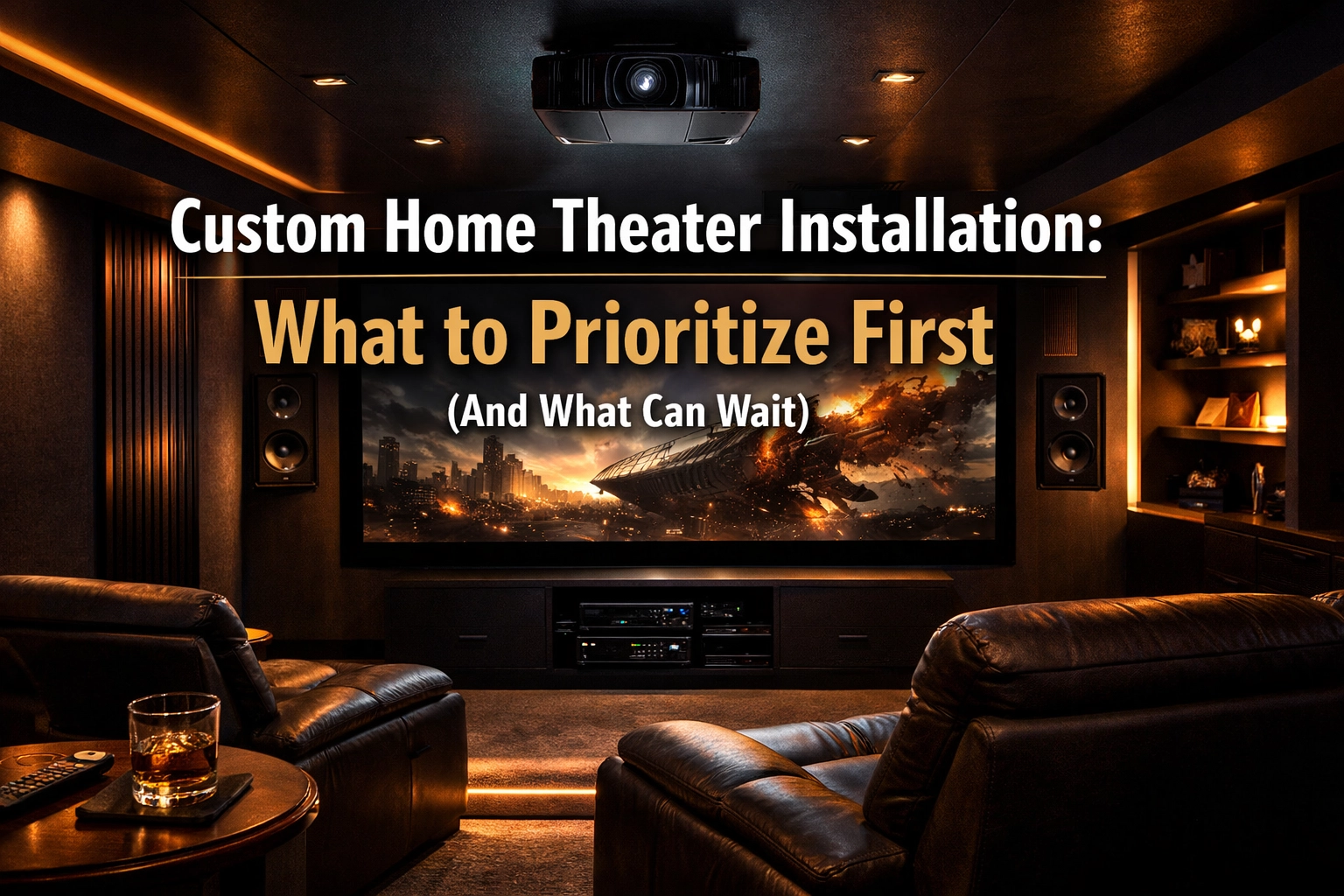
You're ready to build your dream home theater. You've got Pinterest boards full of inspiration, you've been binge-watching AV YouTube channels, and you're probably already mentally spending your budget three times over.
Here's the thing: not everything needs to happen at once.
Think of it like this: you wouldn't jump into building a house without knowing which walls go up first, right? Same deal with a custom home theater installation. Get the foundation wrong, and you'll be ripping out walls two years later when you realize the wiring is a disaster. Get it right from the start, and you'll save yourself thousands, and a whole lot of frustration.
Let's break down what to prioritize when you're building out your home theater in the Twin Cities, and what can absolutely wait until later.
Start With What You Can't See: The Infrastructure
This is where most DIY projects go sideways. The stuff behind the walls, the wiring, the acoustic treatment, the structural prep, is not sexy. It's not fun to shop for. But it's absolutely critical.
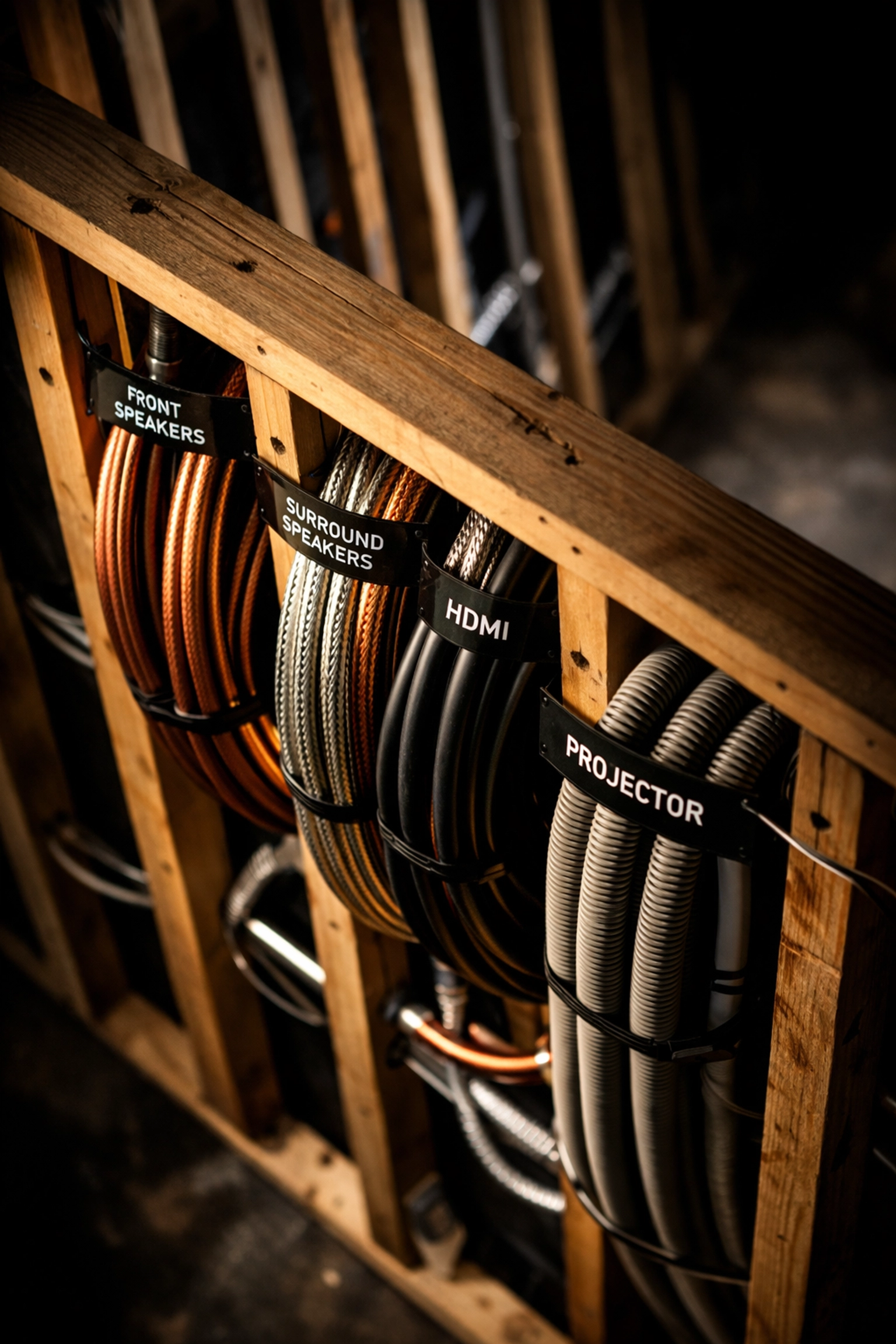
In-Wall Wiring
If you're building new or doing a major renovation, now's the time to run those cables. HDMI lines, speaker wire, power conduits, get them in the walls before drywall goes up. Trying to add wiring later? That's when you end up with cable raceways running along your baseboards or, worse, holes drilled through finished walls.
Plus, technology changes. Running conduit (basically, hollow tubes) gives you the flexibility to pull new cables through years down the road without tearing anything apart. Future-you will thank present-you for this move.
Acoustic Treatment
Minnesota homes, especially those beautiful older houses in Minneapolis neighborhoods like Linden Hills or Crocus Hill, have character. High ceilings, hardwood floors, plaster walls. Gorgeous? Absolutely. Great for sound? Not so much.
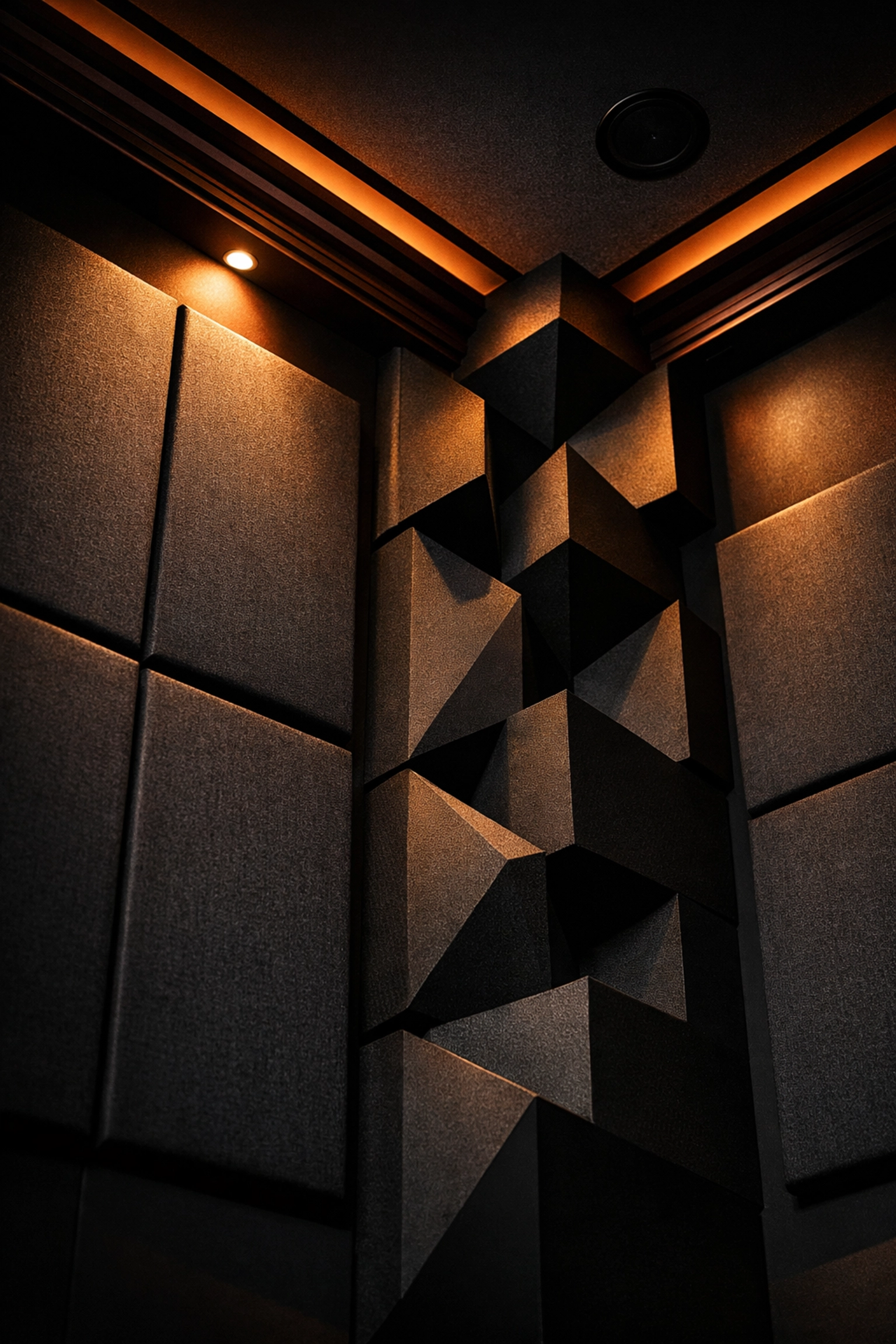
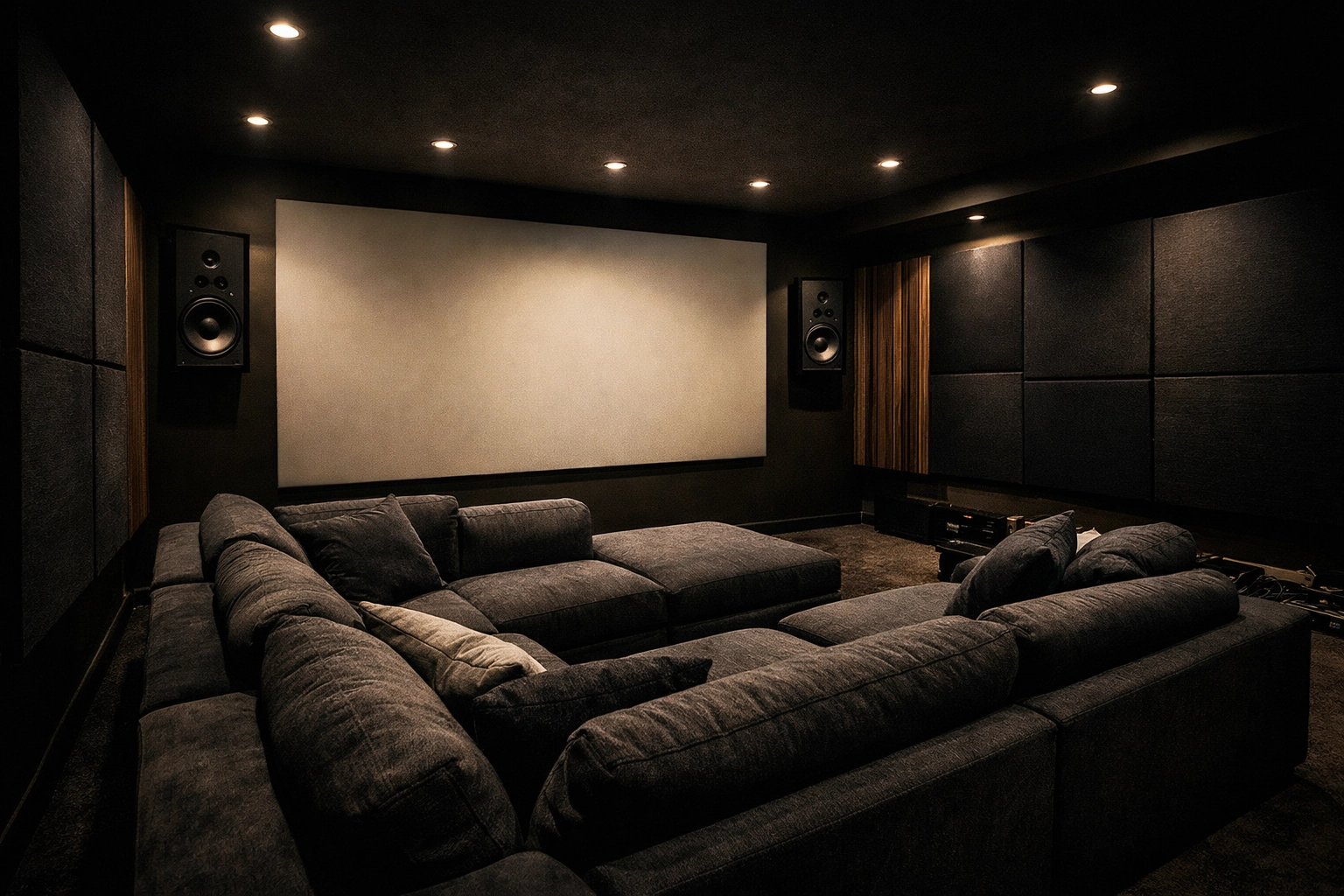
Hard surfaces bounce sound around like a pinball machine. That's why acoustic treatment matters. We're talking:
- Insulation in walls and ceilings to prevent sound bleed
- Bass traps in corners to control low-frequency buildup
- Absorption panels to tame reflections
Think about it: even the best speaker system sounds terrible in a room with bad acoustics. A $2,000 speaker setup in a properly treated room will outperform a $10,000 system in an echo chamber. Every. Single. Time.
The catch? Adding acoustic treatment after the fact is expensive and disruptive. So if you're doing any construction work, prioritize this early.
Next Up: Your Core Audio-Visual Components
Once the bones are solid, it's time to focus on what actually produces the sound and picture. This is where your theater comes to life.
Audio System: The Heart of the Experience
Here's where you need to make some real decisions. At minimum, you'll want:
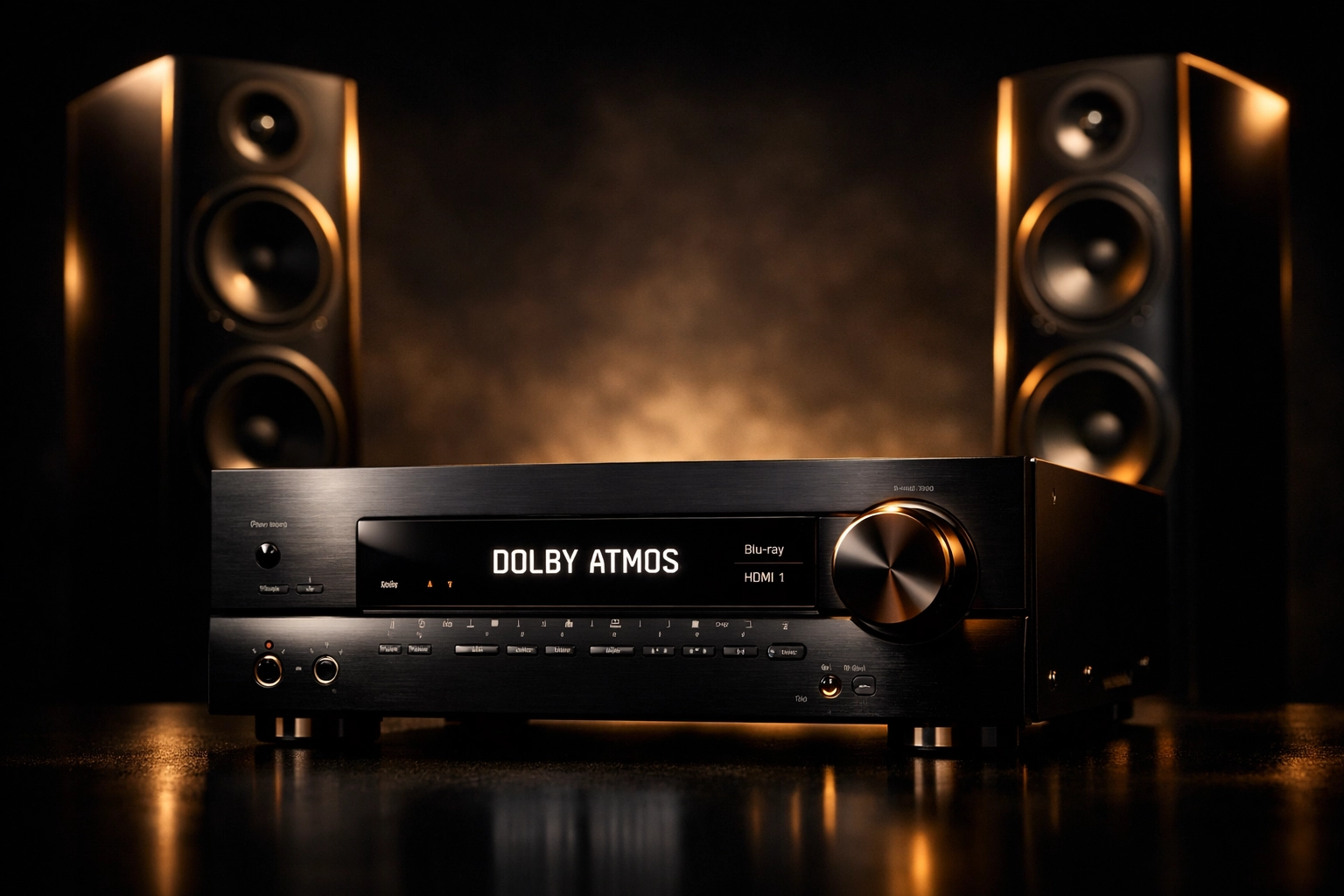
- AV Receiver: This is your system's brain, it handles all your sources, processes the audio, and powers your speakers
- Speakers: A 5.1 setup (three front speakers, two surrounds, and a subwoofer) is the sweet spot for most rooms
- Subwoofer(s): For that chest-thumping bass that makes movies feel real
Should you go with an AV receiver or separate preamplifier and amplifier components? For most Minneapolis homeowners, an AV receiver is the smarter play. It's cost-effective, less complex, and delivers excellent performance. Separates are the crème de la crème for high-end builds, but you can always upgrade later if you catch the audiophile bug.
One piece of advice: match your speaker brands. Mixing and matching might save a few bucks, but consistent voicing across all channels creates a more cohesive soundstage. You want dialogue panning smoothly from your center channel to your surrounds, not jumping between different sonic signatures.
Display: Projector or TV?
Your room dimensions largely make this decision for you. Got a dedicated theater room with controlled lighting? A projector gives you that true cinema feel, we're talking 100+ inches of screen real estate.
Working with a multi-purpose family room with windows? A high-quality TV might be your better bet. Modern LED and OLED displays are stunning, and they don't require a pitch-black room to look good.
Either way, this is a core component that deserves a decent chunk of your budget. But here's the good news: display technology keeps improving and prices keep dropping. So even if you can't afford the absolute top-tier model today, you can upgrade in a few years without breaking the bank.
What Can Absolutely Wait (Without Ruining the Experience)
Now let's talk about what doesn't need to happen on day one. Real talk: these things enhance the experience, but they're not make-or-break.
Fancy Seating
Yes, those motorized recliners with built-in cup holders and USB charging ports are amazing. But a comfortable couch works just fine while you're saving up.
Think of seating as a phase-two upgrade. Get the audio and video dialed in first. Once you're actually using your theater regularly and know exactly how you like to position yourself in the room, then invest in purpose-built theater seating. You'll make better choices when you're buying from experience rather than guesswork.
Aesthetic Touches
Fiber optic star ceilings, LED accent lighting, movie poster displays, acoustic panels printed with custom artwork: all of this stuff is cool. None of it is essential.
Your theater will function perfectly fine with basic lighting and minimal decor. Add the Instagram-worthy aesthetics later when budget allows. The sound of a perfectly tuned 5.1 system is going to impress you way more than LED strip lighting, I promise.
Premium Accessories
High-end universal remotes, power conditioners, cable lifts, fancy equipment racks: these fall into the "nice to have" category. Start with a basic universal remote (or even your receiver's stock remote) and standard surge protection. Upgrade the accessories as you identify actual needs rather than perceived ones.
Same goes for media players. Streaming devices work great and cost a fraction of high-end Blu-ray players. You can always add physical media playback later if you find yourself wanting it.
Why Custom Home Theater Installation Saves You Money Long-Term
Here's where working with professionals makes a massive difference, especially here in the Twin Cities where winter construction windows are limited and we're working with everything from 1920s Craftsmans to modern new builds.
Getting the Foundation Right From Day One
A professional custom home theater installation means:
- Wiring done correctly the first time (no do-overs)
- Room acoustics properly analyzed and treated
- Equipment properly calibrated to your specific space
- Integration with existing home automation systems
- Code-compliant electrical work
When you DIY or hire a handyman who's "pretty good with electronics," you're often saving money in the short term but setting yourself up for expensive fixes later. We've done countless rescue jobs where homeowners thought they'd save a few bucks, only to spend double fixing amateur mistakes.
Local Expertise Matters
Working with a Minneapolis-based integrator like New Age Technology means we understand the quirks of homes in this market. We know which Golden Valley basements have moisture concerns that affect equipment placement. We understand how St. Louis Park's varied housing stock requires different approaches. We've dealt with everything from Edina's strict HOA requirements to Minneapolis's permit processes.
That local knowledge translates directly into a smarter, more efficient installation that accounts for real-world conditions: not just what works in a showroom.
A Phased Approach That Actually Works
So what does a smart timeline look like? Here's a practical roadmap:
Phase 1: Foundation (Weeks 1-2)
- In-wall wiring and conduit
- Acoustic treatment installation
- Electrical work and dedicated circuits
Phase 2: Core System (Weeks 3-4)
- AV receiver and speaker installation
- Display selection and mounting
- Basic calibration and setup
Phase 3: Comfort & Control (Months 2-6)
- Seating upgrades
- Lighting design
- Universal remote programming
Phase 4: Refinement (Ongoing)
- Aesthetic enhancements
- Additional source components
- System upgrades and expansion
This approach gets you watching movies in your new theater within a month while spreading out the bigger investments over time. You're not sitting in an empty room waiting for all the pieces to arrive, and you're not maxing out credit cards trying to do everything at once.
The Bottom Line for Twin Cities Homeowners
Building a custom home theater installation doesn't mean you need to spend six figures on day one or wait until you can afford every bell and whistle. It means being strategic about what happens first.
Invest in infrastructure you can't easily change later. Prioritize quality audio and video that you'll interact with daily. Phase in the comfort and aesthetic upgrades as budget allows.
And work with professionals who understand that your home theater should enhance your life, not become a money pit or a source of frustration.
When you prioritize correctly, you end up with a theater that performs better, costs less overall, and actually gets finished: instead of languishing half-done while you figure out why the surround speakers sound weird.
Ready to start planning your custom home theater installation the smart way? Let's talk about what makes sense for your space and budget. We've been helping Minneapolis and Twin Cities homeowners build incredible home theaters for years, and we'd love to help you avoid the common pitfalls while creating something amazing.