

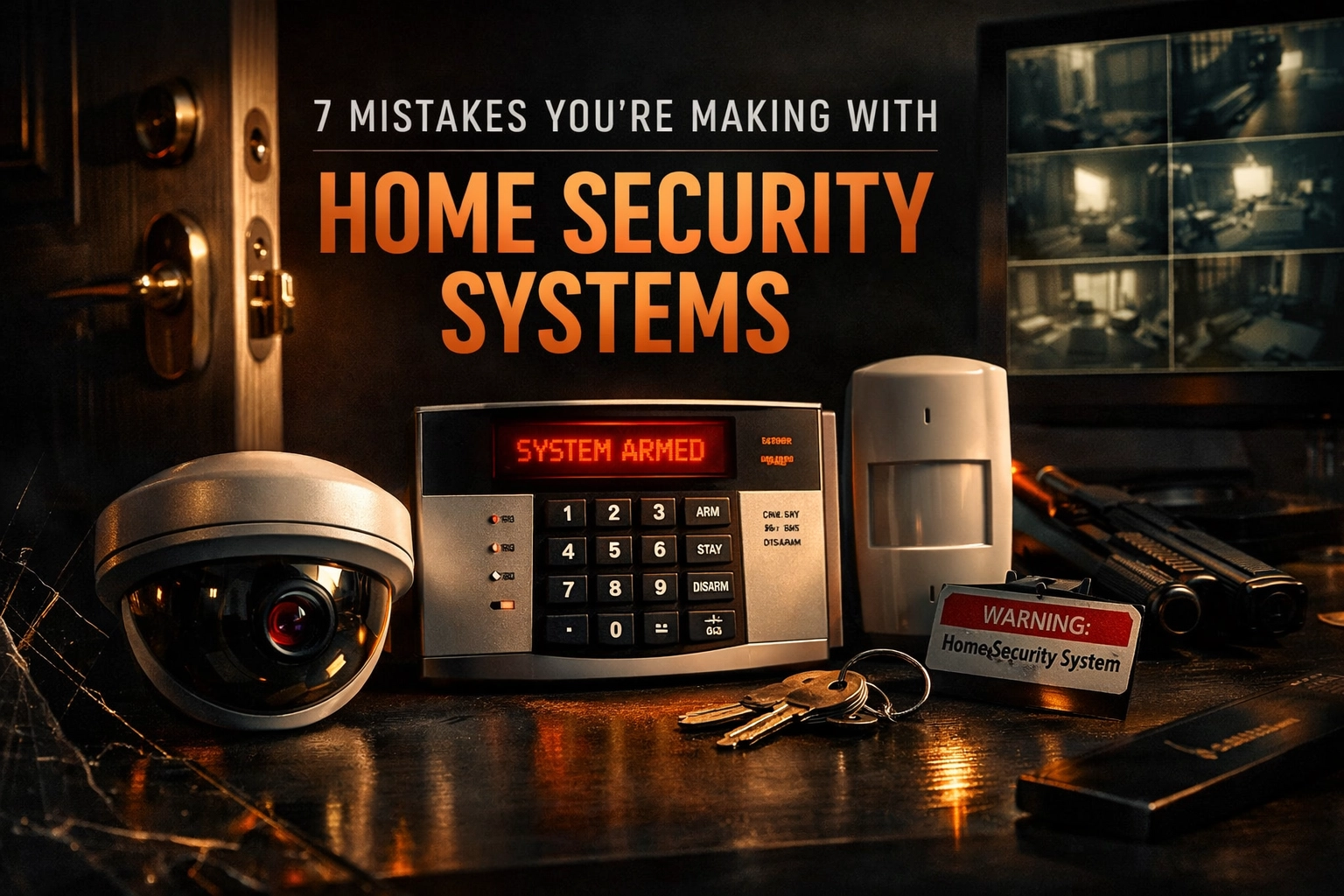
You’ve probably seen the commercials. A shadowy figure approaches a front door, a camera pings a smartphone, and the homeowner speaks through a tiny speaker like an angry god: "I see you!" The intruder runs away, and the homeowner goes back to their dinner, smiling. It looks easy, right?
But here’s the real talk: installing a security system and actually having a secure home are two very different things.
In the Twin Cities, we take our peace of mind seriously. Whether you’re living in a cozy setup in Plymouth or a sprawling estate in Woodland, your home is your sanctuary. But too often, homeowners treat security as a "set it and forget it" task. They buy a box at a big-box store, stick a few sensors on the doors, and think they’re invincible.
If you want to keep your family and your property safe, you need to avoid the common pitfalls that leave your back door open, literally and figuratively. Let’s dive into the seven biggest mistakes people make with home security systems and, more importantly, how you can fix them.
1. The "One-Size-Fits-All" Trap
Think about it: would you use the same heating strategy for a studio apartment in downtown Minneapolis that you would for a five-bedroom house in Golden Valley? Of course not. So why do so many people think a generic, grab-and-go security kit is enough for their specific home?
Failing to assess your property's unique requirements is mistake number one. A single-family home has different vulnerabilities than a retail space or even a townhome. Are your basement windows accessible from the street? Do you have a detached garage that stores expensive tools or a boat? If you don't understand your property's specific risk level, you’re going to have gaps.
At New Age Technology, we see it all the time. People buy a "standard" package and completely miss a side door or a second-story balcony that’s easily reachable. Real security starts with a walkthrough: not a checkout counter.

2. Relying Solely on Motion Detectors
Motion sensors are great. They’re like the backup dancers of your security system: important, but they shouldn’t be the star of the show. Relying only on motion detectors is a massive gamble.
Here’s the deal: motion sensors usually trigger only after someone is already inside your home. By then, the damage has started. Plus, if you have pets or a robotic vacuum, motion sensors can be the king of false alarms, leading you to eventually ignore the notifications altogether.
A layered approach is a game-changer. You need magnetic door sensors and, crucially, glass-break detectors. In our Minnesota winters, windows are a common entry point because burglars know they can be more fragile in the cold. A perimeter-first strategy: stopping them before they step foot inside: is always the crème de la crème of home protection.
3. The DIY Disaster (and Missing Out on Monitoring)
We get it. The DIY movement is huge. But there’s a big difference between painting your kitchen and wiring a security network. DIY installation often leads to missed vulnerabilities, poor sensor placement, or: the most common issue: connectivity problems.
If a sensor is just half an inch off, it might not trigger. If your Wi-Fi signal is weak in the corner where your camera is mounted, you’re basically just hanging a plastic ornament on your house.
Then there’s the monitoring aspect. Many DIY systems are "self-monitored," meaning you get an alert on your phone and it’s up to you to call 911. But what if you’re in a meeting? What if you’re sleeping? What if you’re at a Vikings game and have no service? Professional monitoring ensures that help is dispatched regardless of whether you’ve seen the notification.
Plus, Chad Alfords and our team often remind clients that professional installation can actually lower your homeowners' insurance premiums. It’s a win-win that pays for itself over time.
4. Chasing the Lowest Initial Price
We’ve all been tempted by the "free" security system offer. But in this industry, you truly get what you pay for. Focusing only on the upfront cost is a recipe for frustration.
Budget systems often have hidden costs:
- Frequent (and expensive) battery replacements.
- Lack of cellular backup (meaning if your internet goes out, your security does too).
- Storage fees for video footage that "make your wallet cry" every month.
- Zero local support when something goes wrong.
Think of it like this: you wouldn't buy the cheapest parachute you could find, right? Your home security is the parachute for your family’s safety. Investing in a robust, hardwired, or professionally integrated system ensures it works every single time: not just when the Wi-Fi is feeling cooperative.
5. Living in the Past: Not Integrating Smart Home Features
This is the big one for us here at New Age Technology. If your security system doesn't talk to your lighting, your locks, and your A/V system, you’re leaving 50% of your protection on the table.
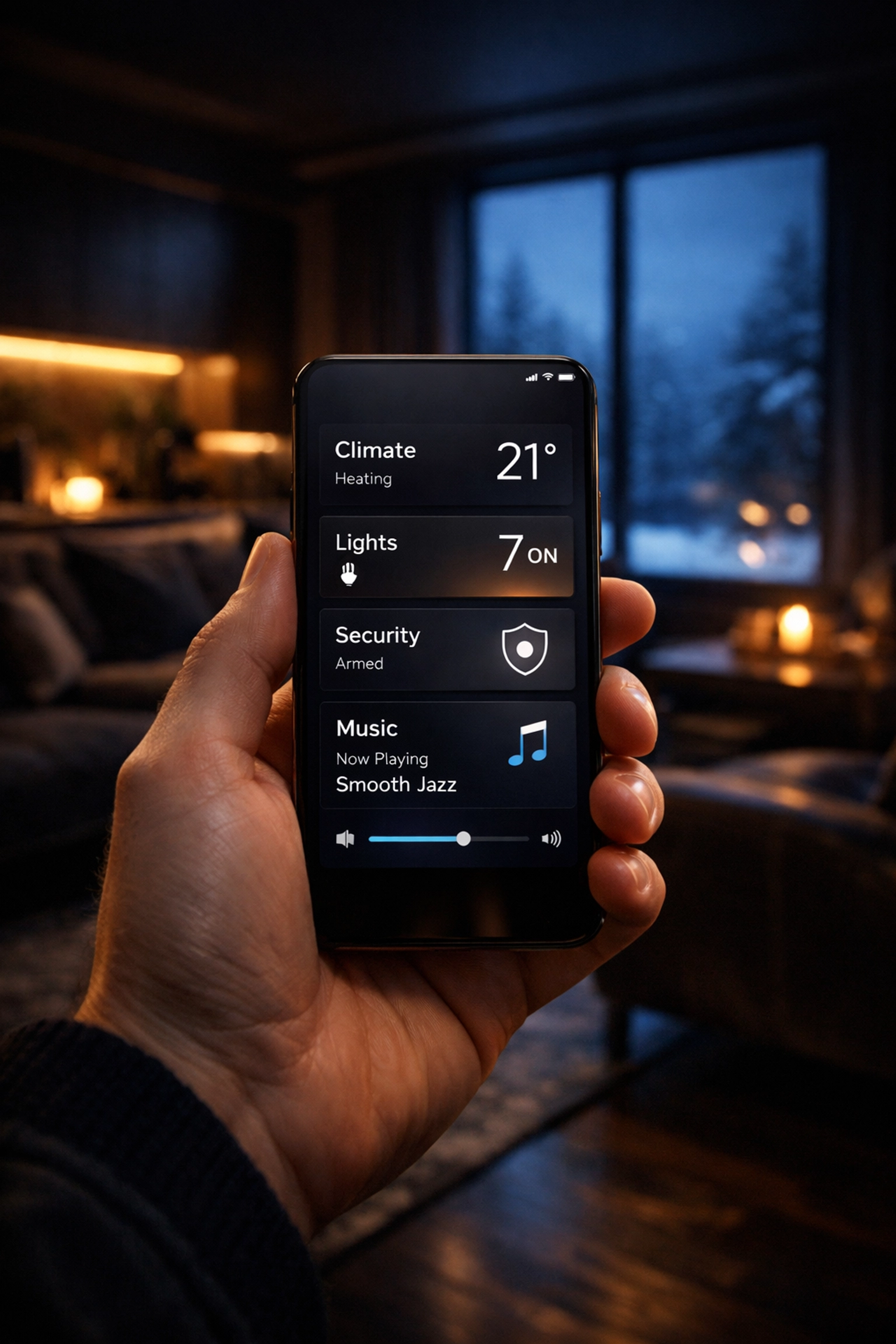
Modern security is about control from the palm of your hand.
Imagine this: you’re headed to the airport for a spring break trip. Halfway to MSP, you realize you forgot to lock the back door. In the old days, you’d have to turn around. Now? You just tap your phone.
But integration goes deeper. We can program your home so that if the alarm is triggered, every light in the house flashes and your outdoor floodlights turn on. That’s a much bigger deterrent than a simple siren. Integration turns a passive alarm into an active defense system. It’s not just about "security": it’s about total home automation.
6. Making Your Security System Visible (to the Wrong People)
It sounds counterintuitive. You want people to know you have an alarm, right? That’s what the yard signs are for. But having your main control pad clearly visible through a front window is a rookie mistake.
Why? Because a savvy intruder can look through the glass and see the status lights. If it’s glowing green, they know the system is disarmed. If they can see your keypad, they might even be able to see which buttons you’re pressing to enter your code.
Keep your tech accessible to you, but hidden from prying eyes. Your security system shouldn't be a "how-to" guide for burglars on how to bypass your home.
7. Neglecting Outdoor Lighting and Video Surveillance
Lastly, don't ignore the exterior of your home. A common mistake is relying on static outdoor lights that you turn on and off manually. These actually create deep shadows where intruders can hide.
Motion-activated lighting is a superior deterrent. The sudden burst of light is often enough to send someone running before they even reach your door.
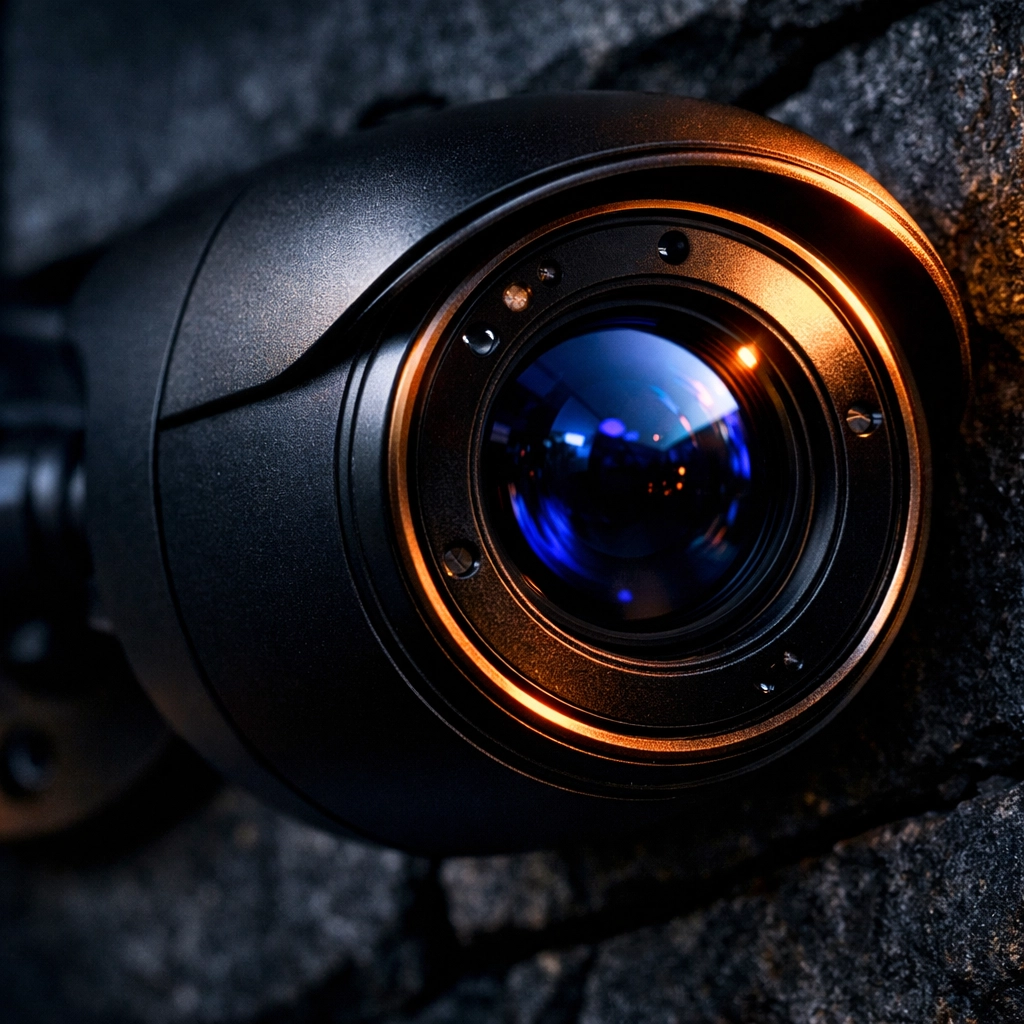
And then there's video. While a camera won't physically stop a break-in, it provides the "who, what, and where" that the police need. More importantly, visible, high-quality cameras act as a massive psychological barrier. When an intruder sees a professionally mounted camera system: not just a plastic doorbell: they usually move on to an easier target.
Putting It All Together: The New Age Way
If you’ve realized you’re making one (or five) of these mistakes, don’t panic. The goal isn't to be perfect; it's to be prepared.
In cities like St. Louis Park and Shorewood, we’ve helped hundreds of homeowners bridge the gap between "having an alarm" and "having a smart, secure home."
Real talk: Your security system should work for you, not the other way around. It should be an invisible layer of protection that integrates seamlessly with your life. Whether it’s checking your cameras from the office or getting a notification that the kids made it home safely from school, the goal is peace of mind.
Stop settling for the "good enough" DIY solution. Let's build a system that gives you control from the palm of your hand and the confidence that your home is truly protected.
The Bottom Line: Don’t wait for a "close call" to take your home security seriously. Address these mistakes today, and you’ll sleep a lot better tonight. Ready to upgrade? We’re here to help you get it right the first time.